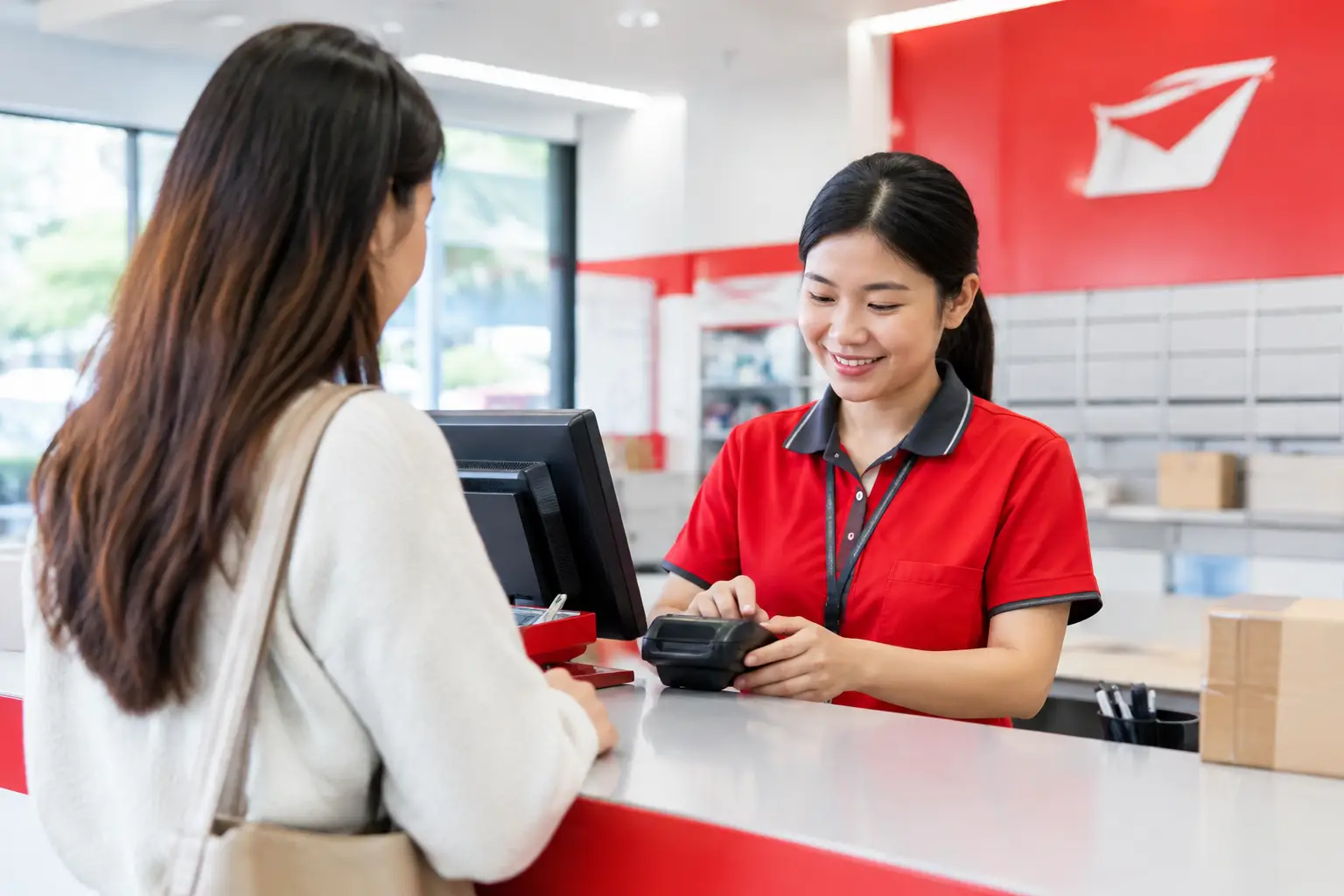
If you need to pay bills at post office Singapore locations, do not assume every counter can process every biller or payment type. Post office services, participating billers, accepted payment methods, and counter availability can differ by branch. A quick check before you leave can save a second trip, especially when a payment deadline is close.
For many people, paying in person remains useful. You may prefer a receipt printed at the counter, need help confirming the reference number, or simply be more comfortable settling a bill with cash or a card rather than through an app. Physical branches can also be convenient when you are already mailing a parcel, buying stamps, or handling registered mail.
What to Check Before You Pay Bills at Post Office Singapore
Start with the bill itself. Look for instructions on where payment is accepted, the customer or account reference required, the amount due, and the due date. Bring the original bill or a clear digital copy. If the bill contains a barcode, keep it visible and undamaged so the counter staff can scan it if that payment method is supported.
The most important question is whether the specific biller accepts payment at a post office counter. Some organizations offer several payment channels, while others direct customers to bank apps, payment kiosks, their own websites, or customer service centers. Even when post office payment is available, it may apply only to selected bill types or account categories.
You should also confirm the branch’s operating hours. A branch inside a mall, commercial building, airport, or transport-connected location may follow the building’s access hours, which can differ from standalone branches. Counter services can have different availability from self-service postal facilities as well. If you need to pay on the due date, choose a branch with enough time before closing rather than arriving near the end of the day.
Bring the Right Details to the Counter
A bill payment is usually straightforward when the information is complete. Bring your bill, your account or customer number, and the exact payment amount. If you are paying on behalf of a family member, business, tenant, or overseas relative, check that you have the correct account reference. A payment applied to the wrong account can take time to correct.
Payment methods matter too. Cash acceptance, card options, and transaction limits can vary according to the service and branch procedures. If you plan to use cash, bring an amount that covers the bill and any applicable service charge. If you intend to pay by card, make sure the card is active and that your bank has not set a transaction restriction.
Keep your mobile phone with you. It can help you retrieve an e-bill, verify a reference number, receive a bank alert, or contact the biller if the staff needs clarification. For bills involving personal accounts, avoid sharing more information than the counter requires. A photo of the bill is useful for your records, but it should be stored securely.
Ask About Service Fees and Processing Time
A counter payment may include a service fee, depending on the biller and payment arrangement. Ask before the transaction is completed if the total charged differs from the bill amount. This is particularly relevant for budget-sensitive household payments and small-business expenses, where several small fees can add up over a month.
Processing time is equally important. A payment made at a physical counter may be recorded immediately, or it may take one or more business days to appear in the biller’s system. The receipt proves that you submitted payment, but it does not always mean the biller has updated the account at that same moment.
If your due date is imminent, ask when the biller is expected to receive or post the payment. Where possible, pay earlier rather than relying on same-day processing. This is especially sensible for utilities, insurance, telecommunications, government-related charges, and any account where late payment could affect service or incur a penalty.
Choose a Branch That Fits Your Schedule
Convenience is not just about the nearest branch. A branch close to your workplace may be better during lunch hours, while one near home may be easier on a weekend. Visitors and travelers may find airport or central-area locations practical, but should allow extra time for queues and security access in the surrounding building.
Before traveling, check the branch address, opening hours, telephone contact, and listed services. If bill payment is essential to your visit, calling ahead can be worthwhile. It is the simplest way to confirm whether the relevant counter service is available that day and whether there are any temporary operating changes.
SingaporePostOffice.com is an independent directory, not an official SingPost channel, and can help you locate nearby branches and review practical branch details before you go. For final confirmation of a particular payment service, the branch or biller remains the best source.
At the Counter: Keep the Transaction Simple
Tell the staff member which bill you need to pay and provide the bill or barcode. Review the account number and amount shown before authorizing payment. This takes only a moment and is the best opportunity to catch a mistyped digit, an outdated statement, or a bill that belongs to a different account holder.
Once payment is complete, collect the receipt and check it before leaving. It should show key information such as the payment amount, date, transaction reference, and the receiving biller or service. If any detail is missing or looks incorrect, raise it immediately while the transaction is still accessible at the counter.
Store the receipt until the payment appears on your account. Paper receipts can fade, so take a clear photo or scan it for your records. For business users, file it with the corresponding invoice or expense record. For personal payments, a simple folder in your phone or email can make later checks much easier.
When a Post Office Counter Is Not the Best Option
Paying in person is practical, but it is not always the fastest route. If the biller offers immediate online confirmation, a bank transfer, recurring payment arrangement, or its own payment portal, one of those options may be better for a deadline-sensitive bill. Digital channels can also be useful outside branch hours.
On the other hand, a post office visit can be the better choice when you want a physical receipt, need to pay with a method not supported by the biller’s website, or prefer assistance from a counter staff member. It depends on the bill, the time available, and how quickly you need the payment reflected in the account.
If the branch cannot accept your bill, do not leave without asking whether another payment channel is recommended. The staff may be able to clarify whether the biller uses a different counter arrangement, requires direct payment, or has moved the service online.
A little preparation turns a bill-payment visit into a quick errand: verify the biller, choose a suitable branch, bring the correct reference details, and keep the receipt until the account is updated.